Reading Response: Interviews
Thinking about how and where interviews are used all the time in what we read

This Reading Response is about the interview - what it is, what it’s for, why we do it (as media writers), and approaches.

Guidelines
Post as an article on your personal Substack publication (not your profile, not in Notes)
350-500 words, with header and subheader
2 accompanying images (can be originals/yours, stock images, infographics, found online) with proper captions and credits
Use the DIW Alpine style of Digital Writing, and referencing the Interview Slides
Objective
Take some time and look around at the media that surrounds you - online, but also in magazines, newspapers, The Daily Nexus, The Bottom Line, WORD magazine, the Catalyst, etc etc. Start to notice where information from interviews is used, and how it is used.
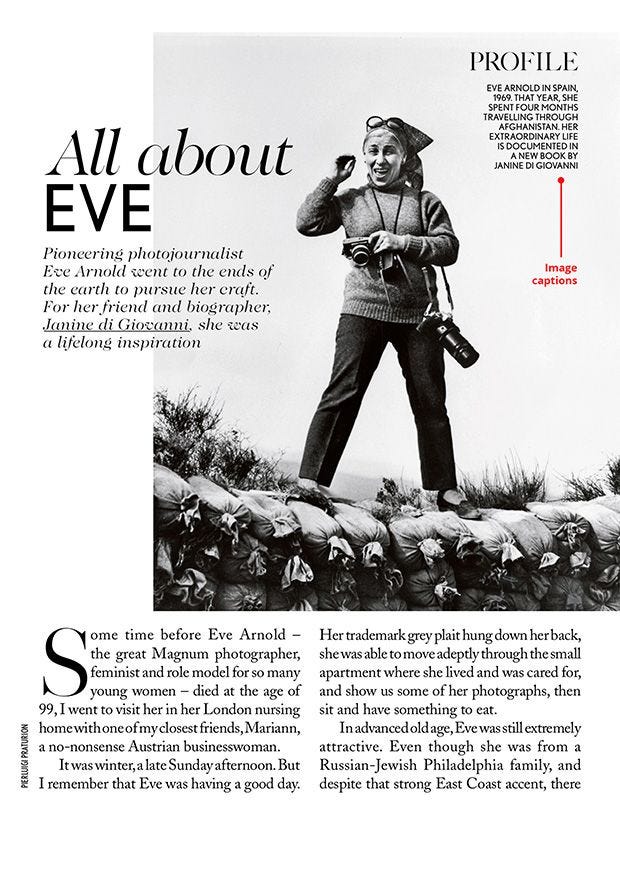
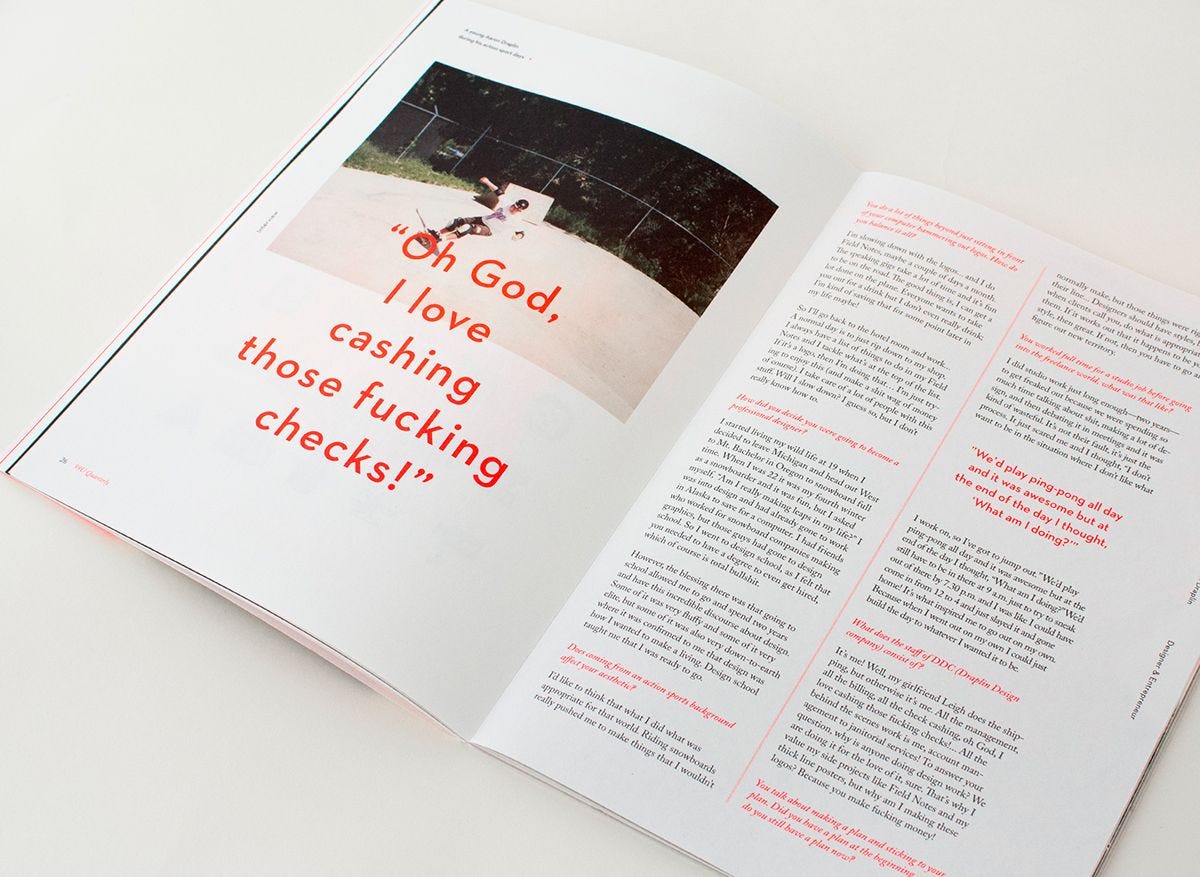
Can you see information from interviews incorporated into paragraphs, or utilized as “quotes” or in dialogue, or pull/block quotes? How about as genres and forms, such as a profile or a Q&A?
Response
In your own words, not AI (see Course Guide), reflect on the role of the interview in magazine & media writing. What is its purpose(s)? How is an interview used? How is it conducted? Is “an interview” one thing or many things? What are those things?
Incorporate and reference details from your own research and observations - and experience! if you’ve already done an interview.
How will you use interviews in the work you’re doing for the course?
What is the difference between a profile and a Q&A?
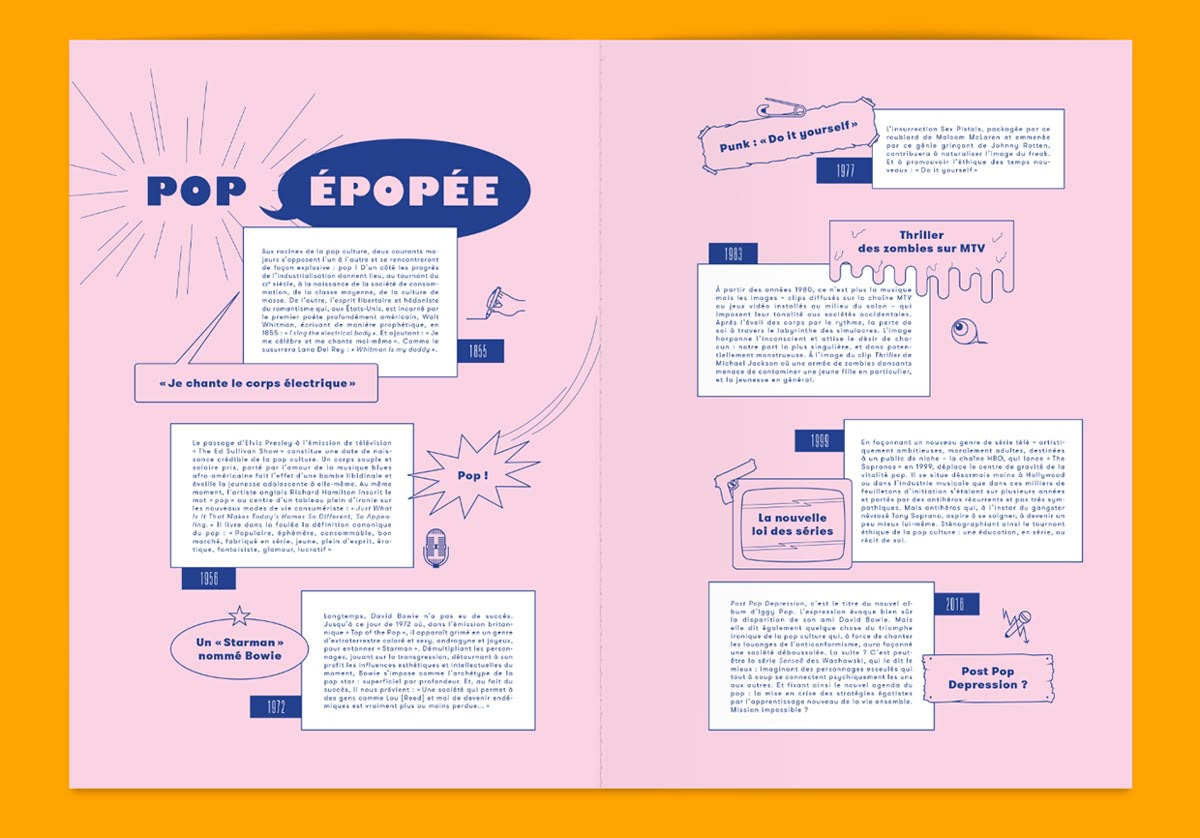
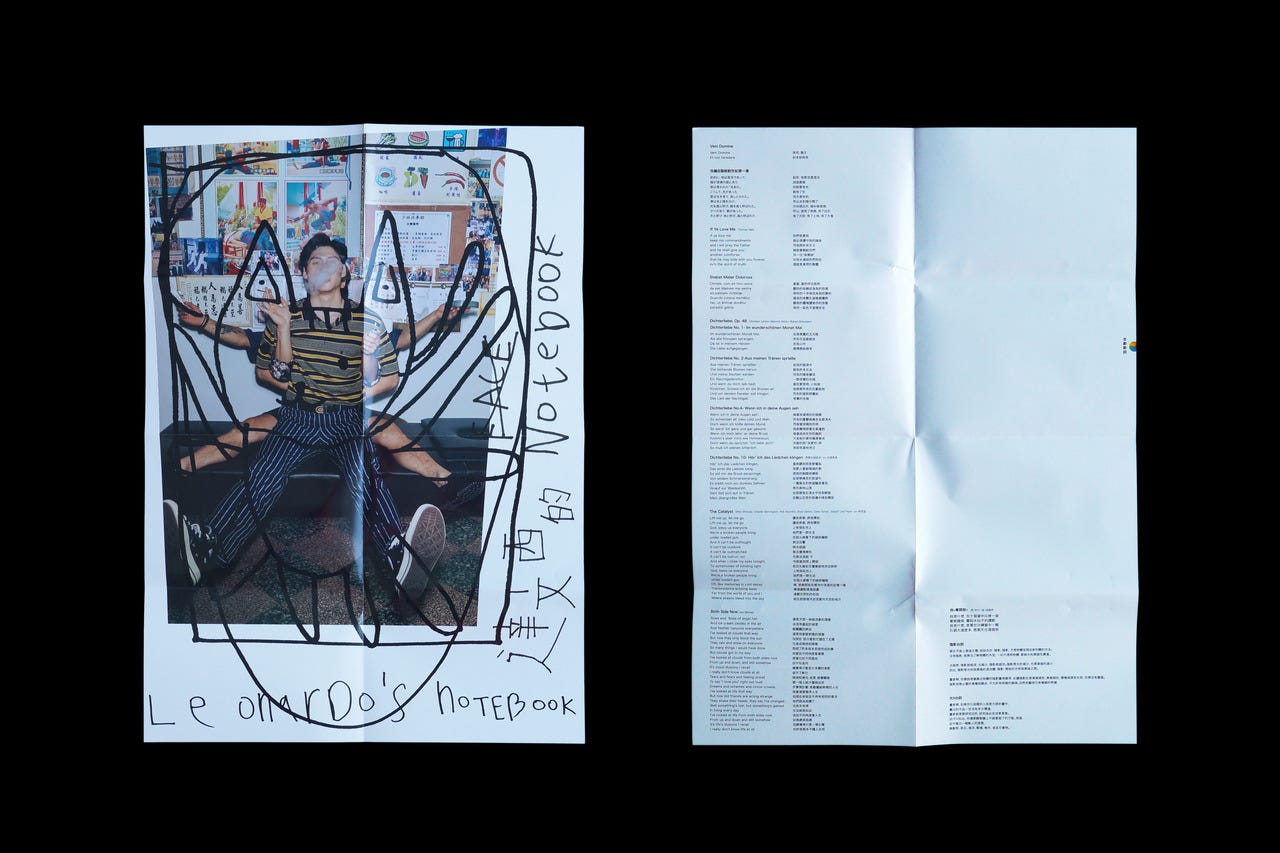
How does the art direction, media, genre, and format of a piece inform the development of an interview-focused story?
Visual Evidence
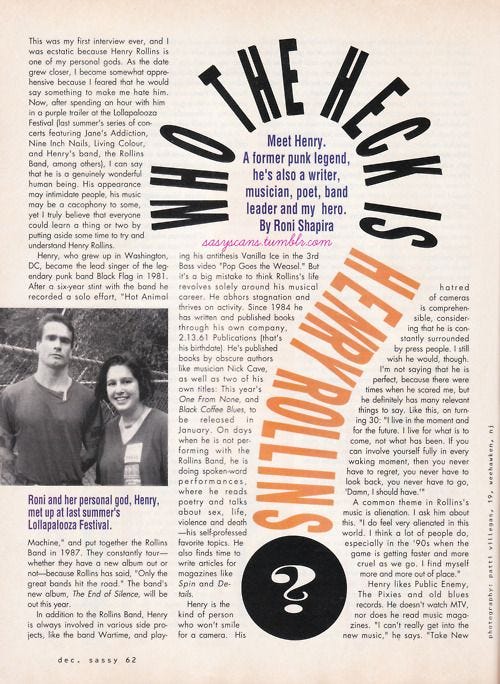
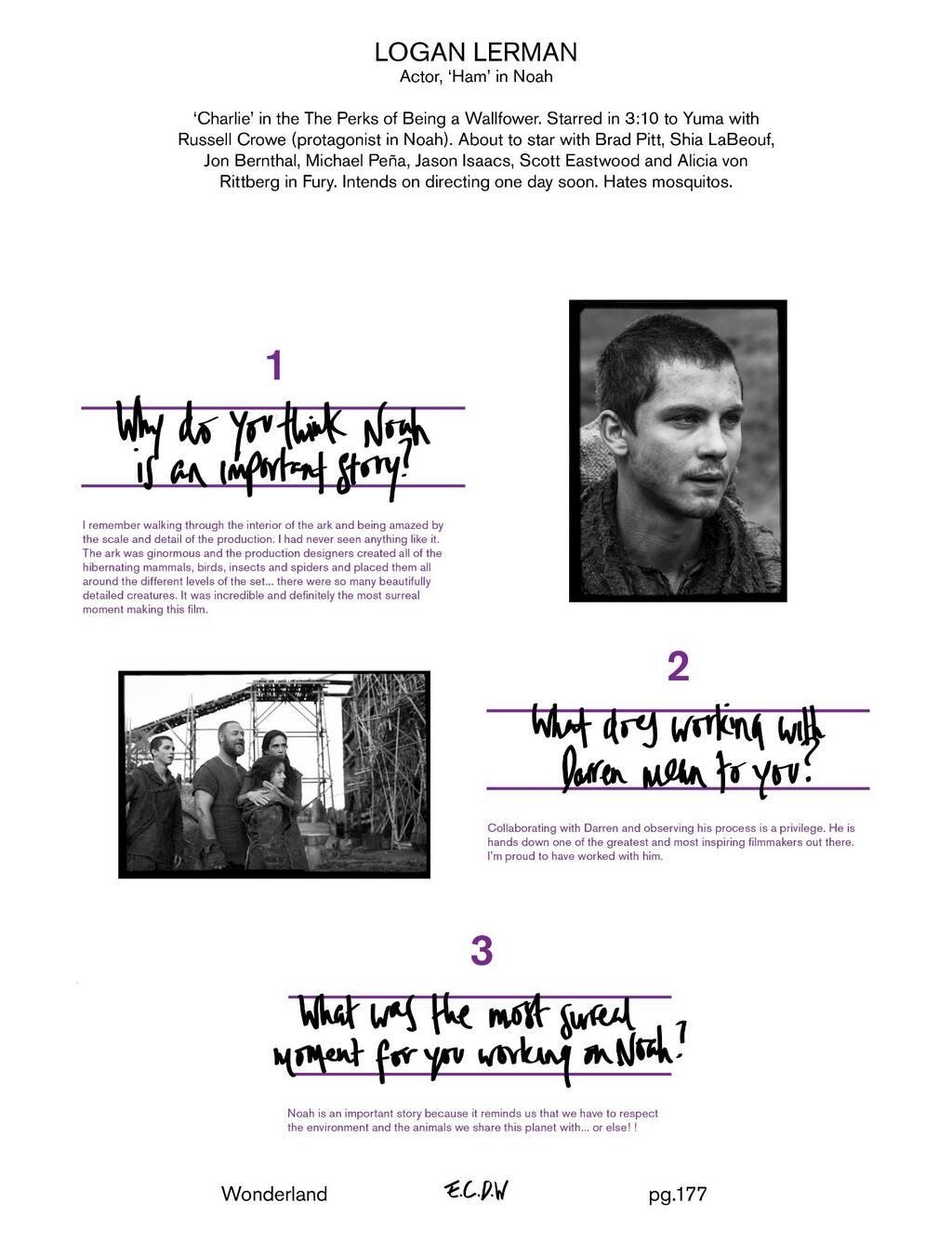
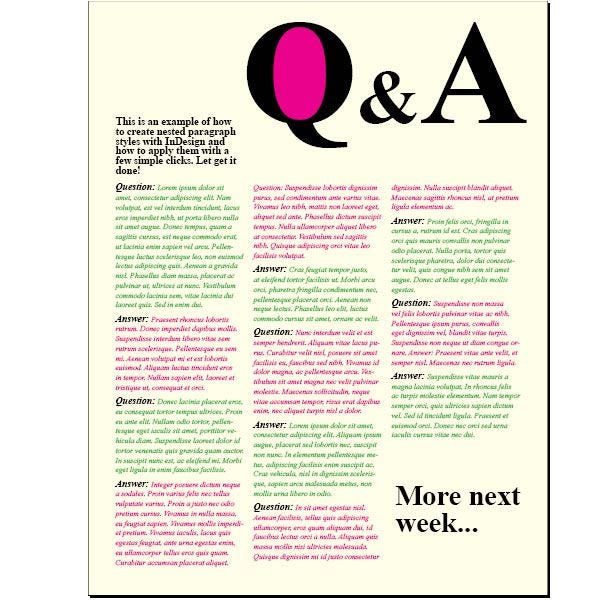
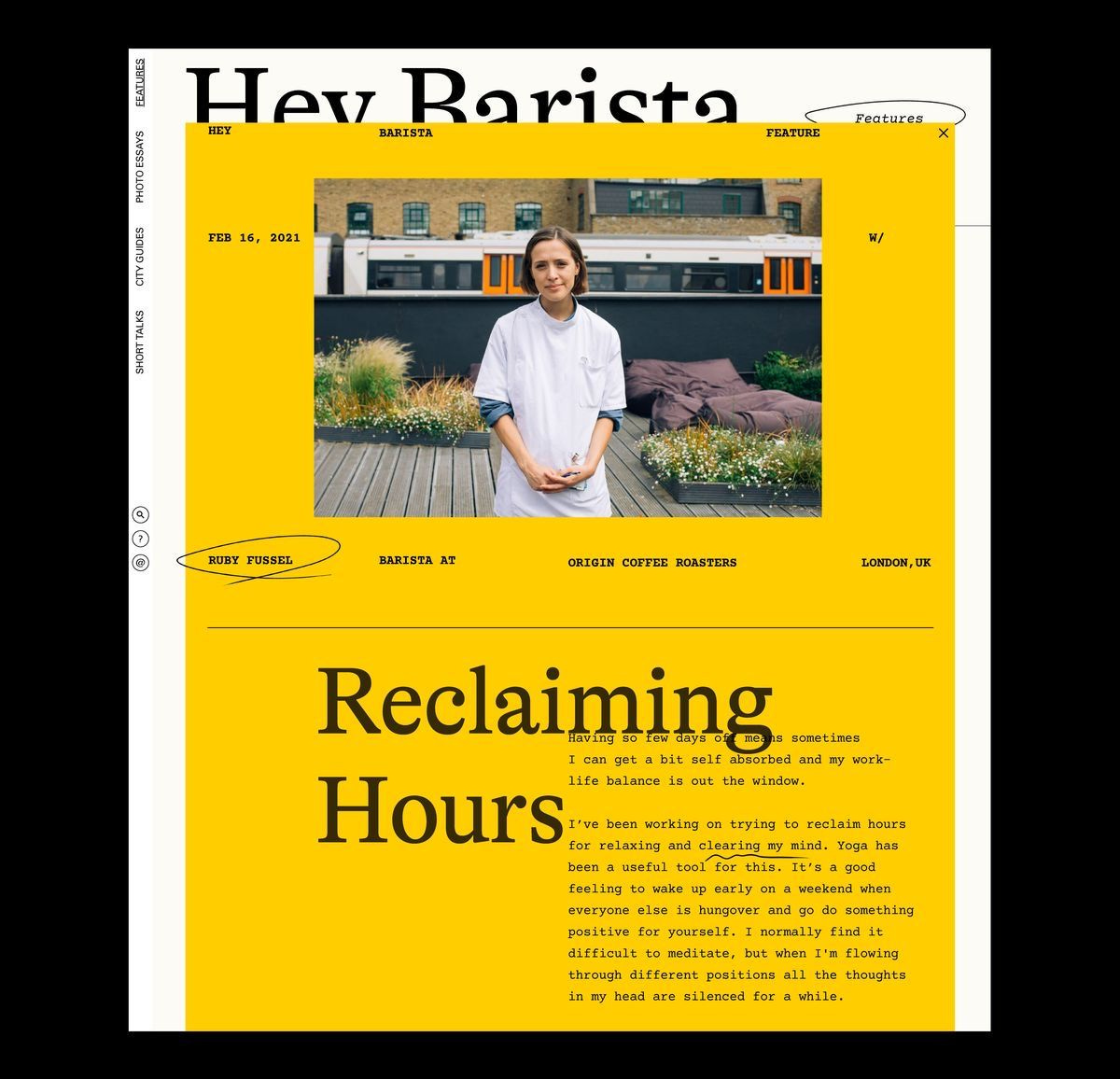
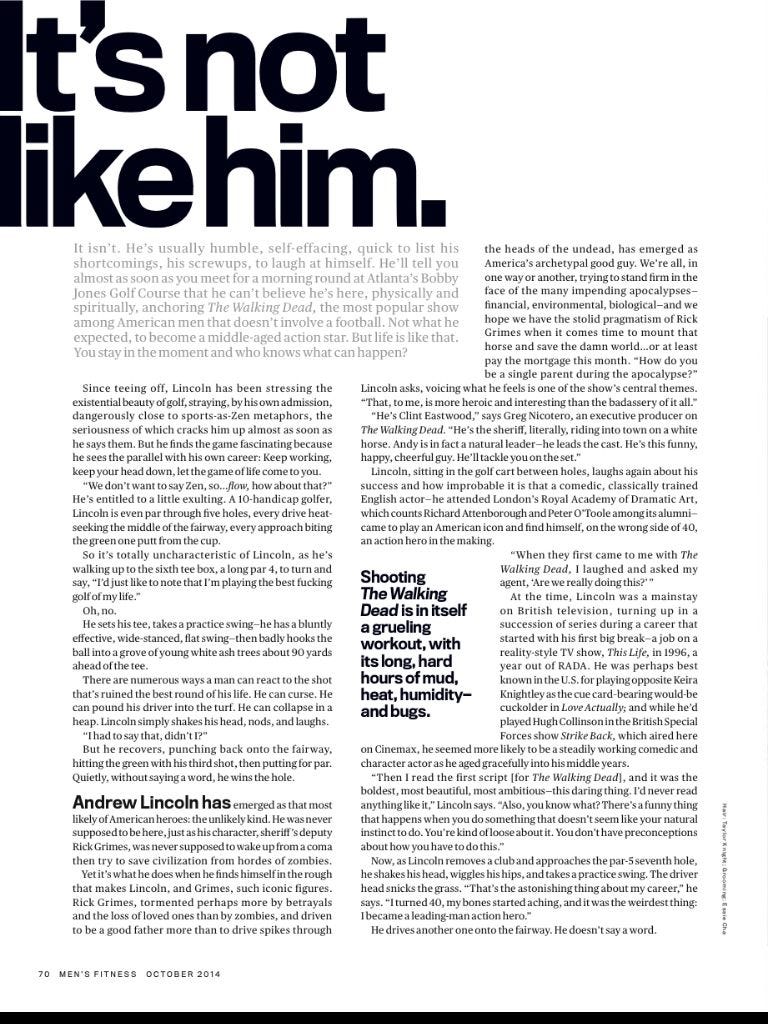
Below are various examples of interview-focused stories and genres, primarily in print.
You can see the impact the visual design can make in conveying the vibe and theme of an interview-focused story. And the challenge in translating that through the limitations of the design constraints of the Substack platform.
If you’re interested in thinking about this more, complete the Reading Response: Visual Architecture & Design.