Reading Response: Visual Architecture+Design
The infinite possibilities of print versus the intentional constraints of Substack

Ah, print.
The endless possibilities and potential of print, from selecting the right paper, its size, weight, color; to developing the visual narrative of a publication, peering back or forwards in time through the archives of font and graphics; to working within the structure of a page, then pages, to gather and assemble the assets of communication, the text, images, graphic elements, to finally deliver to a reader with satisfying aplomb and not a little anxiety a piece of collaborative ephemera.
And then, there’s Substack.
The benefits of the Substack platform are the opposite of the limitless sky of print: constraints in design and format for a publication (like Synthesis) which has a limited (non-existent) budget but the potential for an audience and following that may far exceed that of a similar publication in print.
Design is expensive — in the skills, labor, and consistency over time that it takes to build the visual brand and impact of a publication.
Rather than putting its eggs in the design basket, the Substack platform focuses on:
the textual content
and the community
with easy and effective integration of multimedia.
So, how do we, as the Synthesis editorial team, approach these design challenges? How do we make our stories visually appealing through the use of consistent web design strategies (i.e. The Alpine Guide to Digital Writing), while seeking to stretch the potential of visual design on the Substack platform?
Designing for digital
Don’t get me wrong. It is equally possible to rhapsodize for hours about digital design as for print.
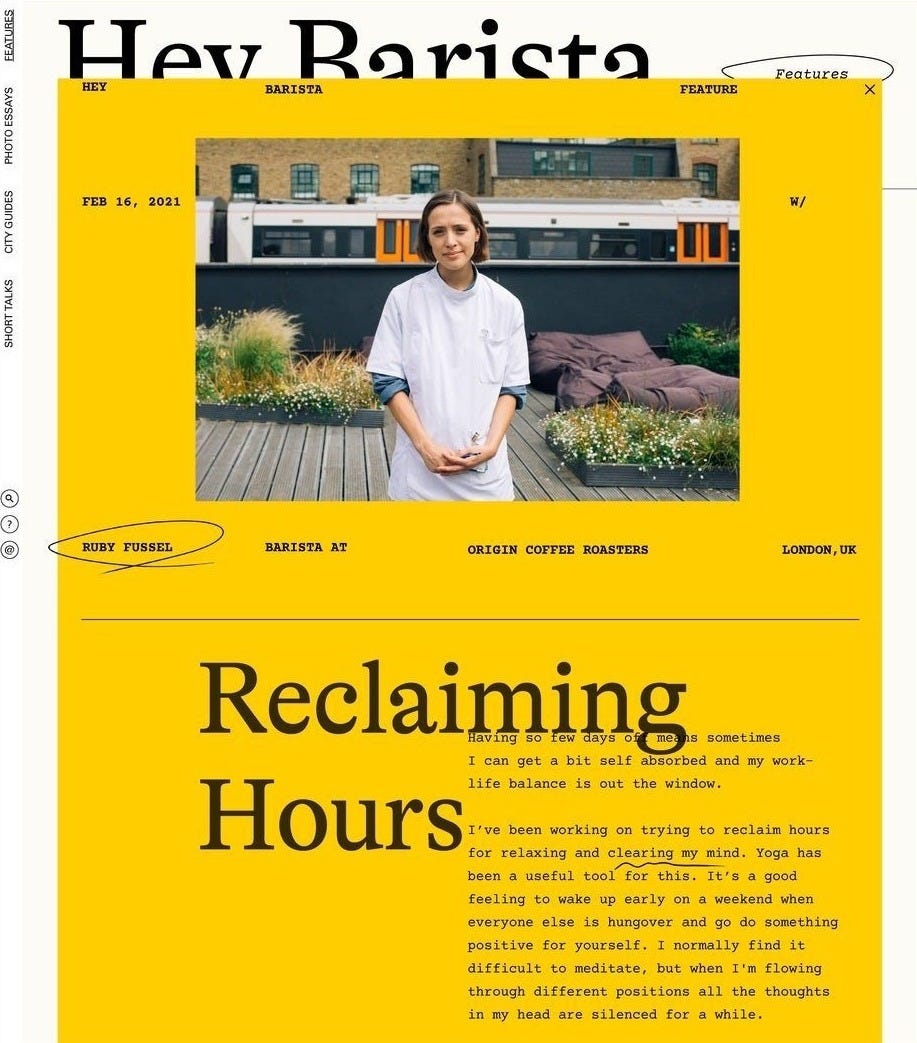
But on Substack, digital design - in terms of flexibility and freedom in layout, color, font, image presentation, graphic inclusion; let alone the architecture of the site through custom CMS - doesn’t really apply.
Rather, on Substack, writers work within the blanket of design constraint that Substack applies across the platform, with no exceptions.
This is similar to how Instagram or any social media platform organizes its microsites, or “accounts.” You can only do ||this|| much on a platform, in terms of design.
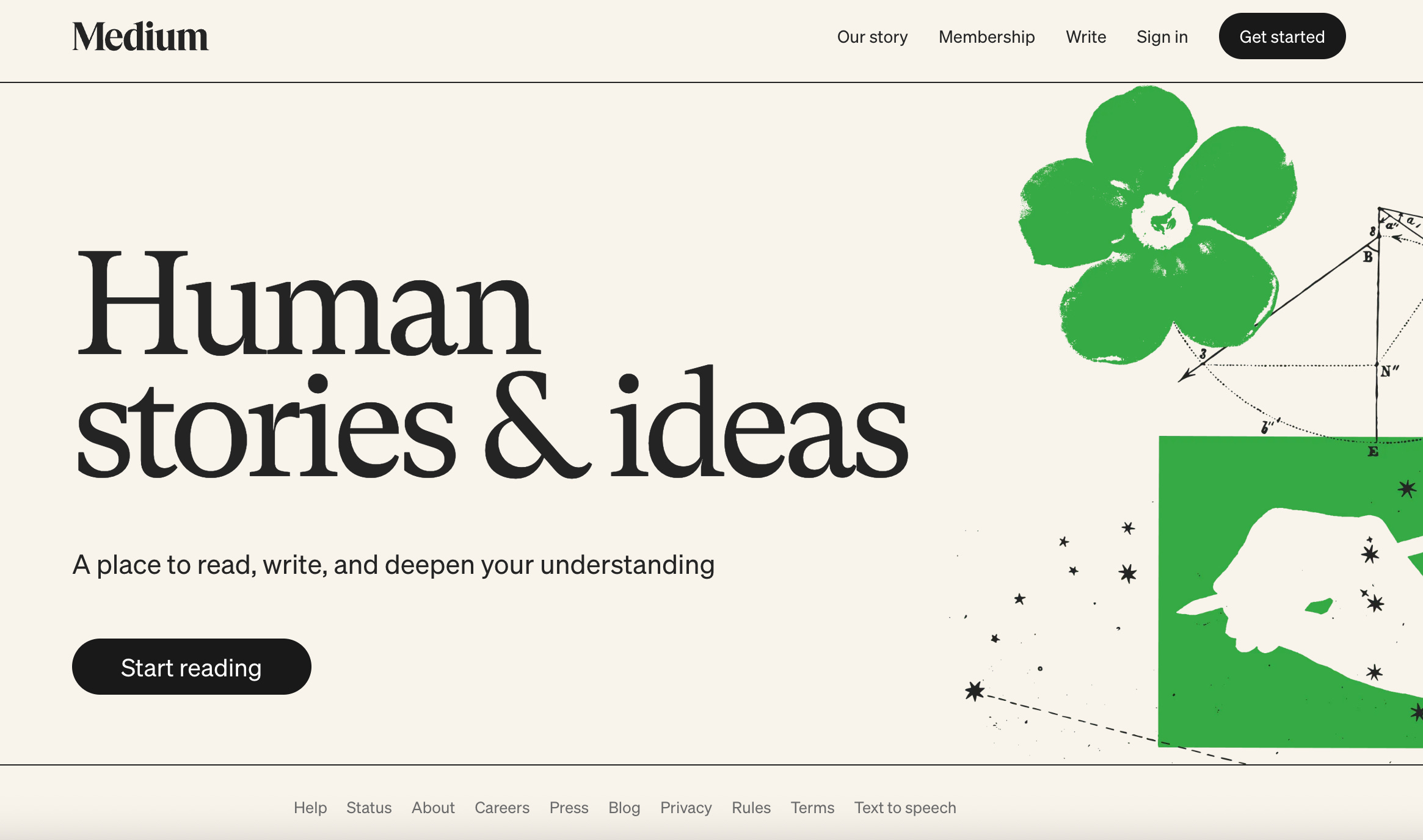
This is genius for a platform focused on written content, like Substack. Its not the only one to do it - Medium is another good competitive example - but it does it really well.
Pinterest, on the other hand, is a content creation and sharing platform, like Substack, but for visuals. I was a beta tester of Pinterest way back in the day when they first started, and my Pinterest account is a testament to my obsession with design and visuals. That platform too has evolved over the years in response to the demands of the industry and the needs of its users.
Reading Response
Guidelines
Post your response as an article on your personal Substack publication (not your profile, not in Notes)
350-500 words, with header and subheader
2 accompanying images (can be originals/yours, stock images, infographics, found online) with proper captions and credits
Use the DIW Alpine style of Digital Writing
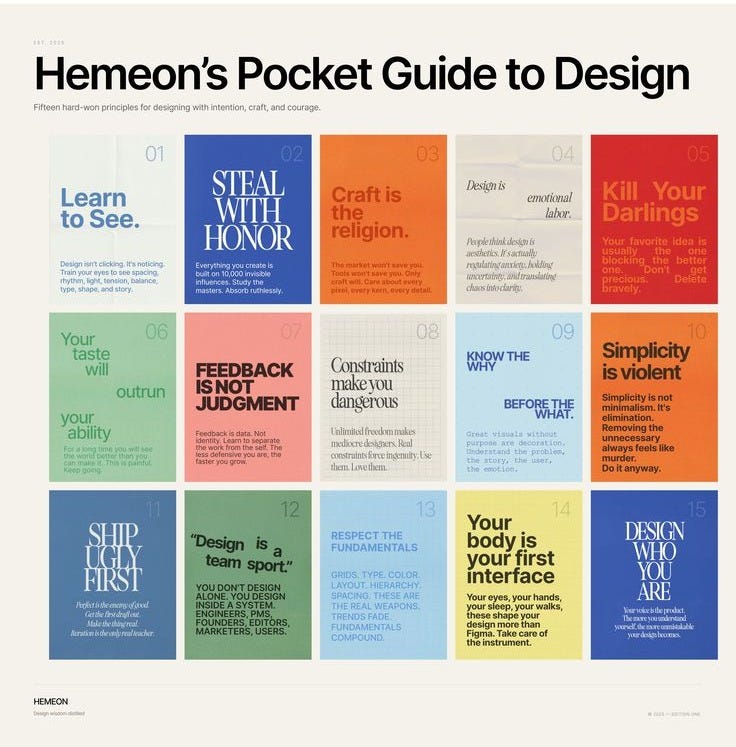
Read: How to not suck at design, a 5 minute guide for the non-designer, by Marc Hemeon on his Medium.
Objective
Use your eyeballs and your brain and imagination to consider your experience, observations, and usage of print and digital mediums, and the visual architecture and design used in both.
You don’t have to be an expert or even particularly knowledgeable or familiar with visual design to learn and apply some basic principles. All you need to do is look with your eyes, think about what you’re seeing, and consider what’s been done and what could be done.
Response
In your own words, not AI (see Course Guide), consider the difference in the role and function of design and visual architecture in print and digital media.
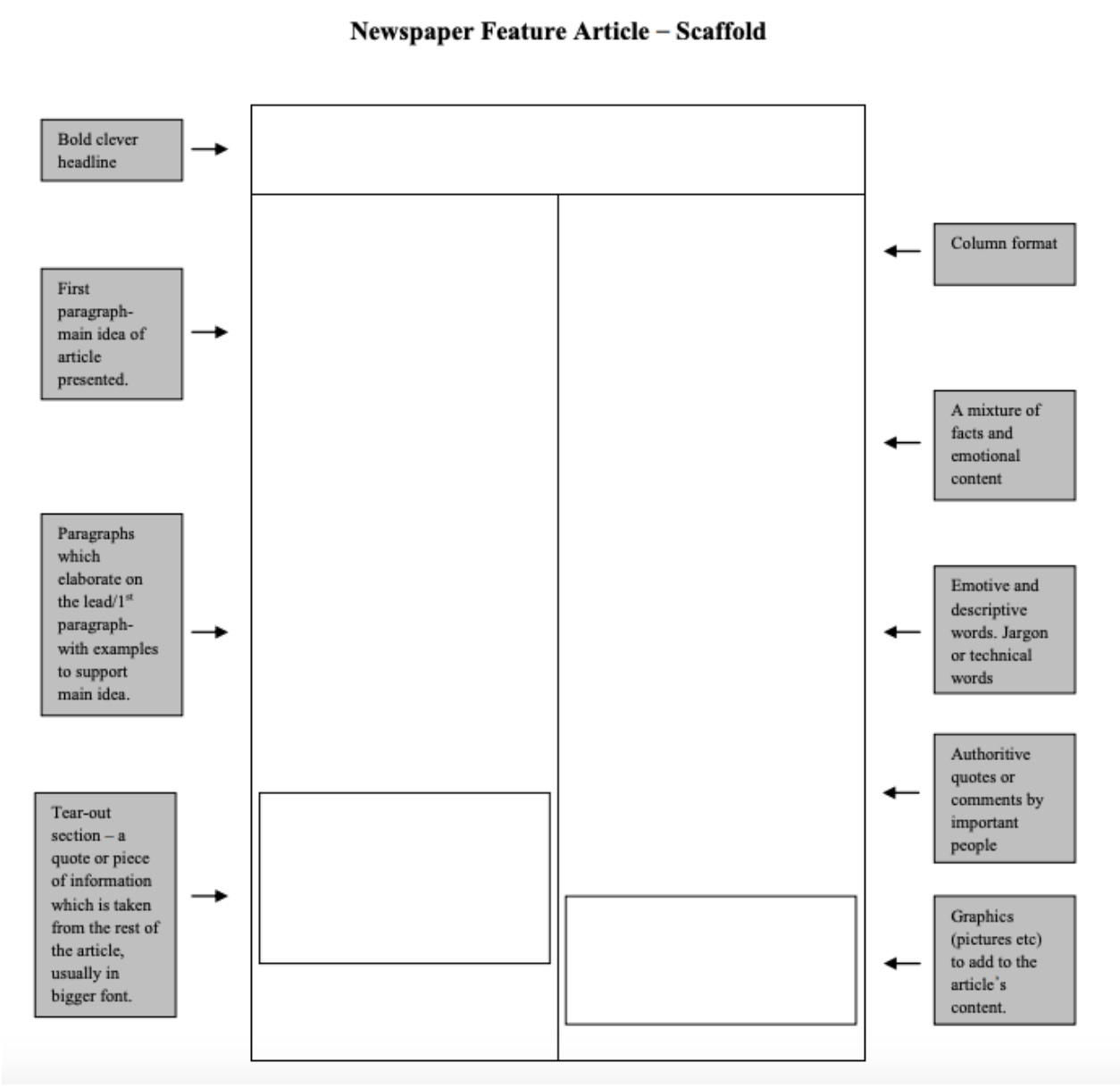
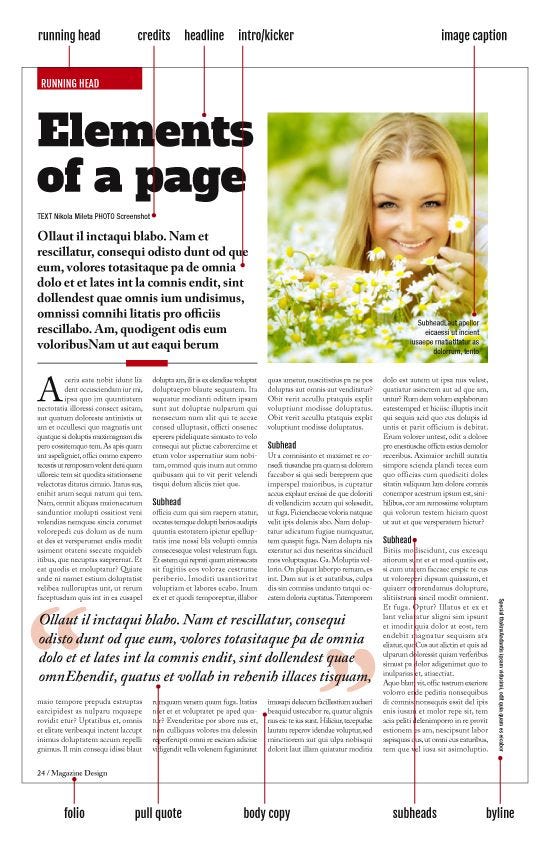
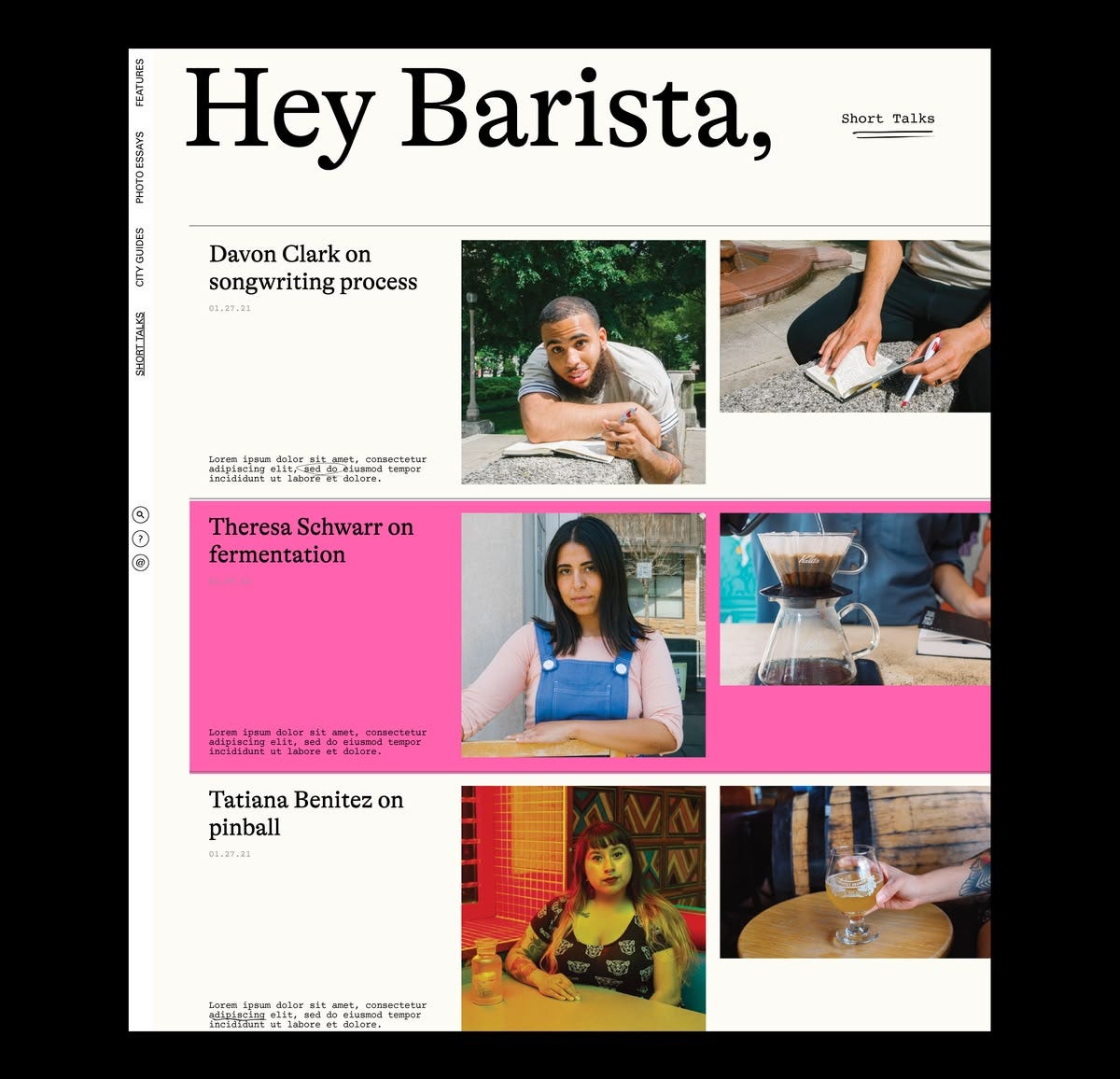
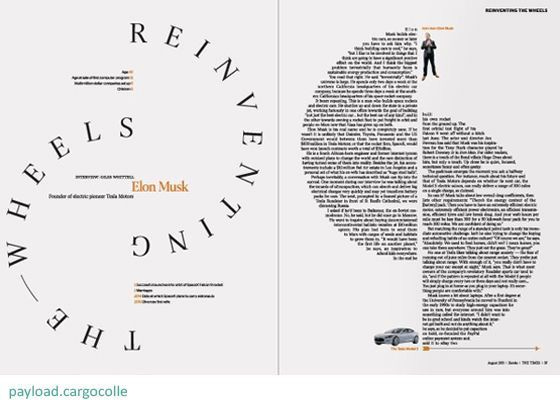
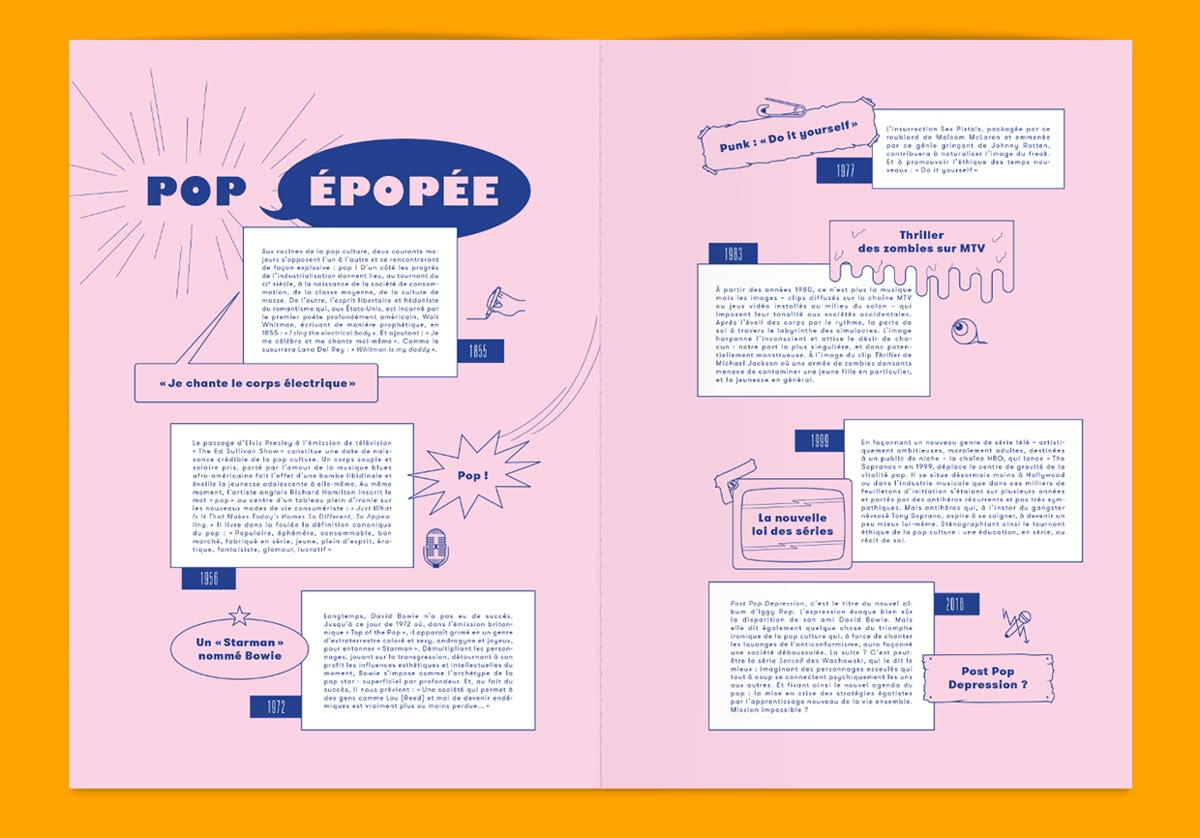
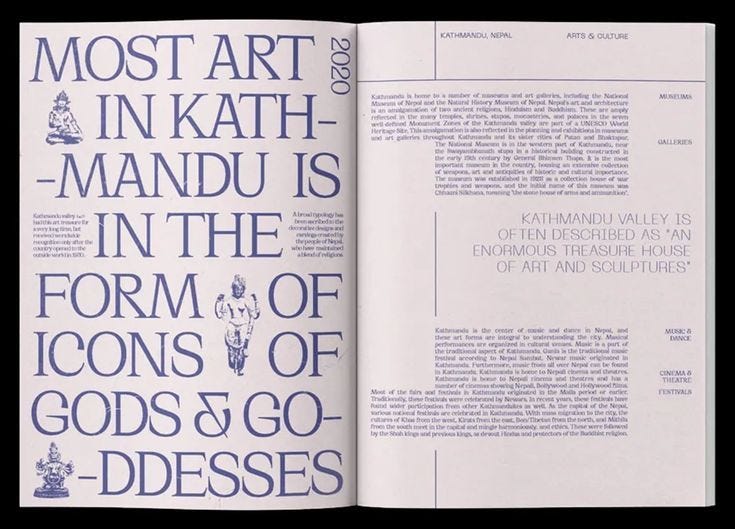
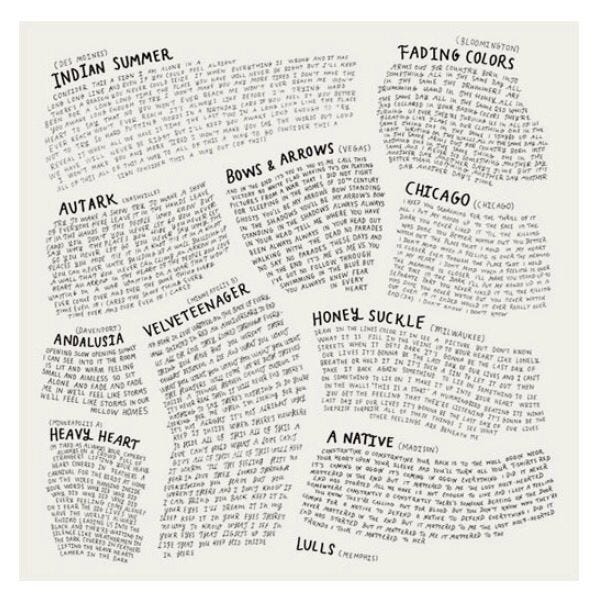
Read How to not suck at design by Marc Hemeon, browse the pdf’s “Anatomy of A Magazine” from Yes I’m A Designer, and check out the images I’ve added below. Think about what you know and what you do not know about the art and practice of design.
I’m throwing the kitchen sink at you here! You don’t have to know everything, or even a little, by the end of this post. Allow yourself to browse, to be visually greedy, to be inspired by the possibilities and potential of human creativity.
Then write a thoughtful, well-crafted post on your personal Substack addressing something in particular that interested you here. Include details and examples.
Visual Examples & Information